
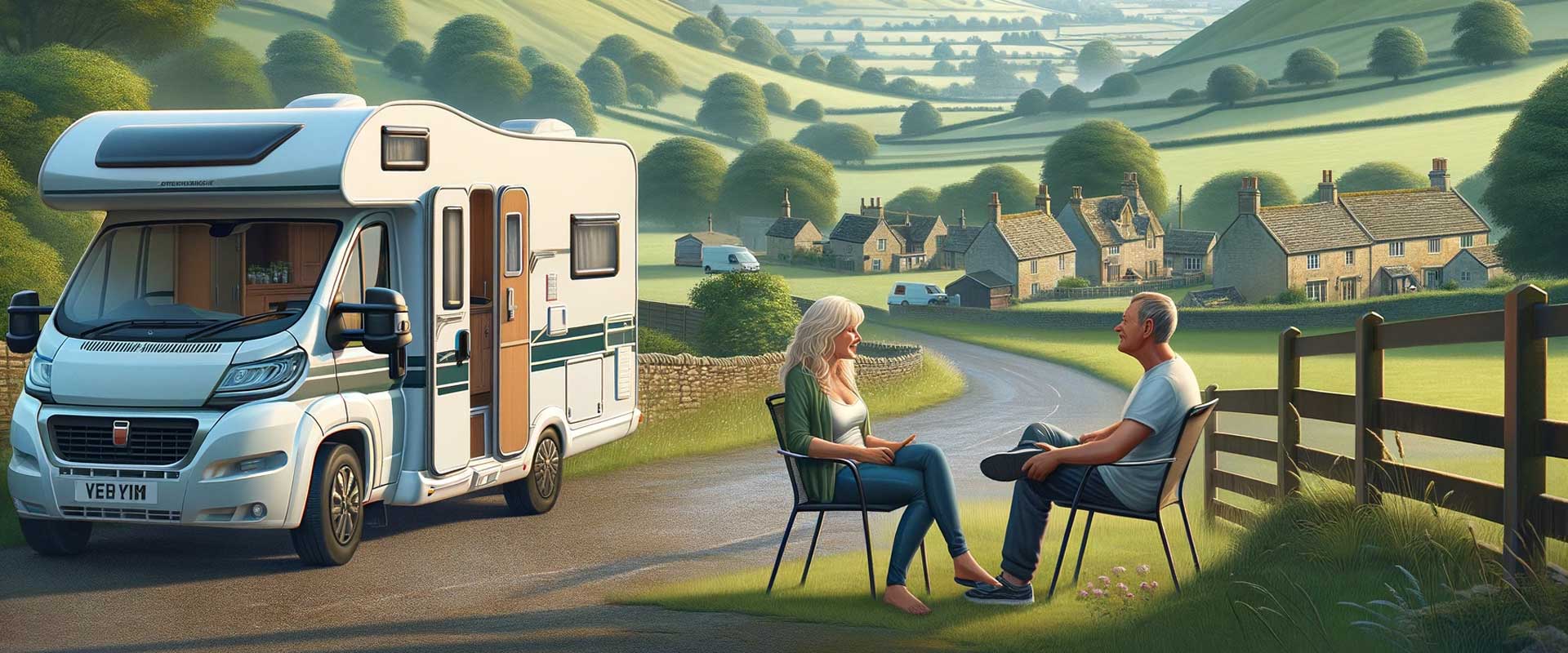
Motorhomes are not all built the same. Some begin life as a simple panel van with windows added. Others are purpose-built touring vehicles with double floors, drop-down beds and garages large enough for electric bikes. The type you own, or plan to buy, affects storage, driving style, servicing access and insurance considerations. So it helps to know the differences.
Campervans and Panel Van Conversions
This is the smallest and most car-like category. A campervan usually keeps the original van body shape, with insulation, windows and furniture added inside. They are popular because they fit on a driveway, slip into supermarket car parks and often avoid the height restrictions that catch larger motorhomes.
Typical base vehicles include the Fiat Ducato, Ford Transit and Volkswagen Transporter. Well-known examples include the Volkswagen California motorhome, WildAx campervan, Murvi conversions and Vantage motorhomes.
- Usually under 6 metres long
- Fixed roof or elevating pop-top roof
- Compact kitchen and combined washroom
- Often used as everyday transport as well as touring
From an insurance angle, these can sit closer to van-based risk assessments, especially where modifications are extensive. Security, declared conversions and agreed values matter more than people expect.
Coachbuilt Motorhomes
Coachbuilt models are probably what most people picture when they think of a motorhome. They use a commercial cab at the front, with a wider, purpose-built living area attached behind. This creates more internal space and clearer separation between cab and habitation area.
Examples include the Swift Escape, Auto-Trail Tracker, Chausson Welcome and Benimar Mileo.
- Overcab or low-profile designs
- Fixed island beds or French beds common
- Larger water tanks and storage lockers
- Often 6 to 8 metres long
Because they are wider and taller, storage location and declared annual mileage can influence premiums. Parts availability also varies between UK-built and imported models.
A-Class Motorhomes
An A-class is built from the ground up as a motorhome rather than adapted from a van. The cab area is fully integrated into the living space, with panoramic windscreens and a flat floor throughout.
Common names in this category include Hymer B-Class, Carthago Chic, Rapido Distinction and Niesmann + Bischoff Flair.
- Double-floor construction on higher-end models
- Drop-down front beds
- Large garages capable of carrying scooters
- Higher purchase prices than most coachbuilt vans
These vehicles often carry higher insured values and may require additional security devices. European travel extensions are frequently relevant, as many owners tour for extended periods.
Compact and Urban Motorhomes
Some buyers want something between a campervan and a full coachbuilt. Compact motorhomes are typically narrow-bodied coachbuilts designed for tighter roads and ferry crossings.
Examples include the Eriba Touring motorhome, Globecar compact models and smaller layouts from Weinsberg.
- Narrower body widths
- Shorter wheelbases
- Designed with European touring in mind
- Lower payload than larger A-class vehicles
Insurance considerations here often focus on payload limits, storage arrangements and whether the vehicle is factory-built or converter-modified.
Luxury and Integrated European Models
At the top end sit high-spec integrated motorhomes built with premium materials and advanced chassis upgrades. These can exceed 4 tonnes in weight and may require C1 entitlement on a driving licence.
Examples include Concorde motorhomes, Frankia models, Fendt integrated vans and selected ranges from Mobilvetta.
- High equipment levels as standard
- Complex electrical and heating systems
- Substantial insured sums
- Often stored in secure compounds rather than at home
Repair complexity and specialist parts sourcing can influence how insurers assess risk. Higher vehicle values mean accurate valuation is particularly important.
American RVs
Less common in the UK but still present are American-style recreational vehicles. These are typically left-hand drive and considerably larger than European motorhomes.
Models such as Winnebago or Fleetwood RVs are sometimes imported privately. They often exceed 8 metres in length and may run on petrol engines rather than diesel.
- Slide-out sections
- High fuel consumption
- Limited UK parts availability
- Storage challenges due to size
Insurance for these vehicles usually involves careful consideration of parts sourcing and declared usage, especially if the vehicle is used seasonally rather than year-round.
Each motorhome type brings its own practical and underwriting considerations. Size, construction method, purchase value, security arrangements and European travel plans all vary depending on which category the vehicle falls into. Understanding those differences helps owners ask better questions when arranging cover and makes comparing options more straightforward.