
Car Insurance Law UK

Car Insurance Law UK
Car insurance law is something most drivers only think about when a problem appears. A policy is cancelled, a claim is questioned, or a letter arrives that raises more questions than answers.
Explain what the law requires, what insurers expect, and where drivers can go when something goes wrong. Some issues involve criminal offences, others involve consumer rights, and many sit somewhere in between. The aim is simple.
Uninsured driving and legal responsibility
Driving without insurance is one of the most serious issues in everyday motoring law. It is not only the act of driving that matters. In many cases, simply keeping a vehicle without valid insurance can lead to penalties unless it has been formally declared off the road.
Many problems begin with simple assumptions. A driver believes someone else is covered. A vehicle is parked and forgotten. A policy change has not yet filtered through. The law does not always make allowances for those misunderstandings.
Fronting and giving incorrect information
Some begin with small inaccuracies that seem harmless at the time. A job title is adjusted. Mileage is estimated too generously. A named driver is listed as the main driver to reduce cost. Not all insurance problems involve deliberate fraud.
This is often referred to as fronting, and it can invalidate a policy if discovered. The difficulty is that it does not always look like fraud to the person doing it.
A cancelled policy can have long-term effects. It may influence future premiums, acceptance, and how other insurers assess the risk.
Fraud, ghost broking and risk warnings
Fraud in motor insurance is not always obvious. Ghost broking is a growing problem, where policies are sold that are invalid, altered or short-lived. The driver may not realise anything is wrong until a claim is made or the policy disappears.
records matter. Once something is logged as suspicious, it can affect future insurance applications, even if the original issue was not fully understood at the time.
Your rights as a consumer
Insurance is regulated, and drivers do have rights. If a policy is cancelled, a claim refused, or a decision seems unfair, there are formal complaint routes available.
Most complaints follow a structured path. First to the insurer, then to an independent body if needed. Keeping records and understanding the wording of the policy is usually the key.
Your data and insurance records
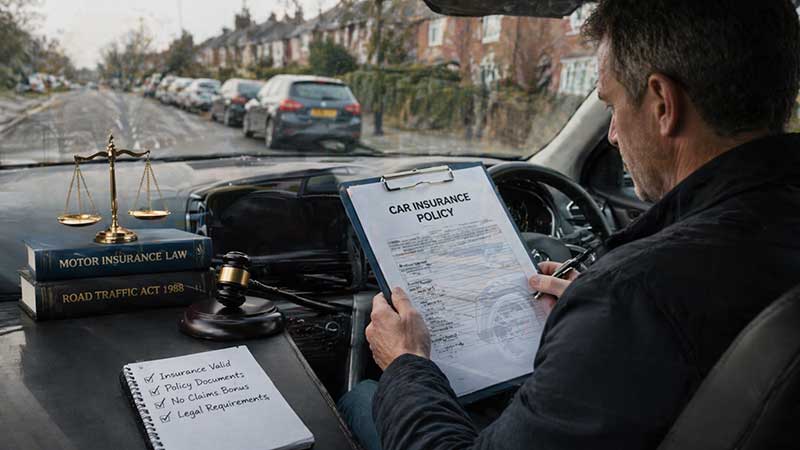
Motor insurance relies heavily on shared information. Insurers check databases, claims histories and fraud indicators when assessing applications and claims.
These systems help detect fraud and confirm cover, but they can also create issues if information is incorrect or misunderstood.
If an insurer fails
It is not common, but insurers can fail. When that happens, drivers want to know whether they are still covered, what happens to claims, and whether money paid can be recovered.
There are protections in place, but the process can be unclear without guidance.
Official help and guidance
- GOV.UK vehicle insurance guidance
- Motor Insurers' Bureau
- Financial Conduct Authority
- Financial Ombudsman Service
- Financial Services Compensation Scheme
When dealing with legal or disputed situations, official guidance is often the safest place to start:
- GOV.UK vehicle insurance guidance
- Motor Insurers' Bureau
- Financial Conduct Authority
- Financial Ombudsman Service
- Financial Services Compensation Scheme
These organisations handle licensing, complaints, compensation and enforcement. They are often the next step when a situation cannot be resolved directly.